

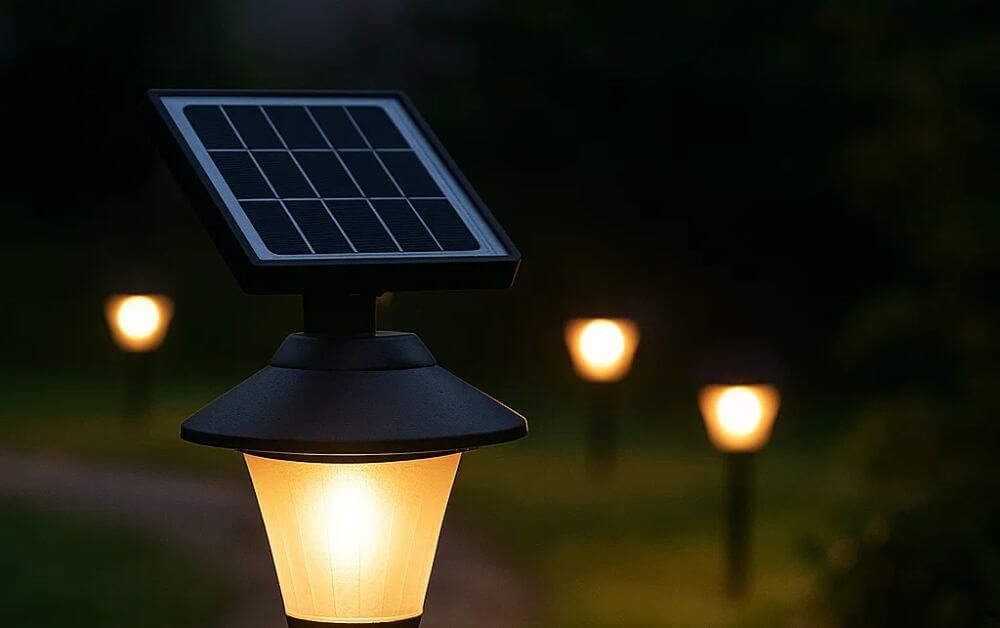
Solar energy is no longer just an alternative power source—it has become a driving force behind the global shift toward renewable energy. As climate change concerns grow and nations seek sustainable solutions, solar technology continues to evolve rapidly. India, being one of the fastest-growing renewable energy markets, has seen significant advancements in this sector. The increasing role of a Solar Lighting Supplier India is proof that solar-powered solutions are becoming a mainstream choice for households, businesses, and communities.
So, what does the future hold for solar energy? Let’s explore the key trends and innovations shaping this sector.

1. Growth of Solar-Powered Lighting Solutions
One of the fastest-growing segments in solar energy is lighting. From residential areas to public infrastructure, solar lights are revolutionizing how spaces are illuminated.
- Rural Applications: Solar streetlights are providing reliable lighting in areas with limited grid connectivity.
- Smart Integration: New lighting systems feature motion sensors and automatic dusk-to-dawn operations.
- Sustainability Impact: These solutions reduce dependency on fossil fuels and cut down electricity bills.
A Solar Lighting Supplier India plays a critical role by making advanced solar lights accessible to both urban and rural households, bridging the gap between technology and real-world needs.
2. Advancements in Solar Panel Technology
Solar panels are the backbone of renewable energy systems, and recent innovations are improving their efficiency and affordability.
- High-Efficiency Panels: Newer panels can convert more sunlight into energy, even in low-light conditions.
- Flexible Solar Panels: Lightweight and adaptable, these can be used on vehicles, rooftops, and even portable devices.
- Bifacial Panels: These capture sunlight from both sides, maximizing power output.
These developments will make solar systems more effective and affordable for households across India.
3. Energy Storage Solutions
One of the biggest challenges in solar energy is storing power for nighttime or cloudy days. However, innovations in energy storage are changing this landscape.
- Advanced Batteries: Lithium-ion and flow batteries are becoming more efficient and long-lasting.
- Home Integration: Families can now store solar energy to use during peak demand hours.
- Cost Reduction: As technology advances, battery prices are gradually dropping, making storage more affordable.
With better storage, solar energy is becoming more reliable than ever.
4. Smart Grids and Solar Integration
As homes and businesses adopt solar solutions, the next step is integration with smart grids.
- Two-Way Energy Flow: Smart grids allow excess solar power to be shared back into the system.
- Energy Management: Consumers can monitor and control their energy usage in real time.
- Decentralized Power: Solar energy empowers communities to generate their own electricity without over-reliance on central grids.
For India, where power demand is constantly rising, smart grid integration with solar is a game-changer.
5. Solar-Powered Transportation
Another exciting innovation is the use of solar energy in transportation.
- Solar-Powered Vehicles: Cars, buses, and even trains are experimenting with solar integration.
- Charging Stations: Solar charging stations for electric vehicles are on the rise.
- Eco-Friendly Travel: This reduces emissions and supports the global push toward sustainable mobility.
This sector is still in its early stages but holds tremendous potential for the future.
6. Government Policies and Support
The Indian government has been actively encouraging solar adoption through policies, subsidies, and initiatives.
- National Solar Mission: Aiming to increase India’s solar capacity significantly.
- Financial Incentives: Subsidies make it easier for homeowners to install solar panels and lighting.
- Public Infrastructure: Government-led solar street lighting projects are expanding across cities and villages.
Such initiatives fuel demand for reliable solutions, making the role of a Solar Lighting Supplier India more vital than ever.
7. Rising Demand for Sustainable Homes
Modern homebuyers increasingly prefer energy-efficient and eco-friendly properties. Solar technology is a natural fit.
- Green Buildings: Solar lighting, heating, and rooftop panels are becoming standard features.
- Lower Utility Costs: Solar-equipped homes are more attractive due to long-term savings.
- Smart Home Integration: Solar systems can be synced with home automation for maximum efficiency.
This trend indicates that solar will not just be an option but a necessity in future home designs.
8. Future Outlook: A Brighter, Cleaner Tomorrow
The pace of innovation in solar energy suggests that its role in our lives will only expand. With continued research and investment, we can expect:
- Higher efficiency rates in solar panels.
- Affordable and durable energy storage solutions.
- Wider adoption of solar-powered lighting across India.
- Stronger integration of solar with smart technologies.
The shift toward renewable energy is not just a global trend—it’s a necessity for a sustainable future.

Conclusion
The future of solar energy is filled with innovation, growth, and sustainability. From smart grids to high-efficiency panels, the world is moving rapidly toward renewable solutions. In India, the increasing demand for eco-friendly homes and sustainable communities underscores the vital role of a Solar Lighting Supplier India in making these solutions widely available.
At the forefront of this transformation, Leizur shines as a trusted name, delivering cutting-edge solar lighting and renewable solutions that bring efficiency, reliability, and sustainability into everyday living.
