

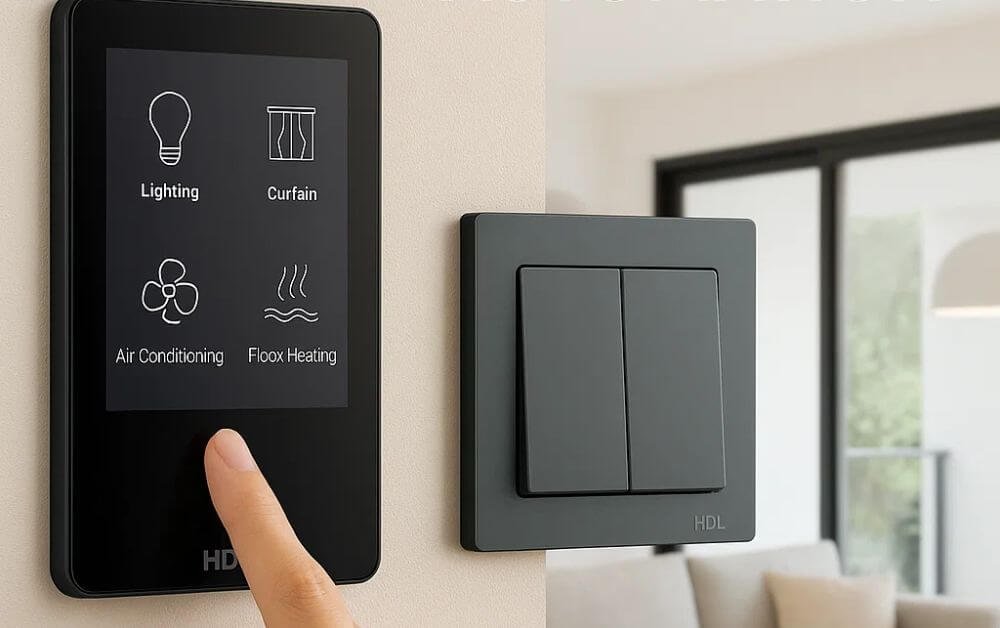
The concept of smart living has transformed drastically over the past decade, and India is now experiencing a surge in the adoption of automated living solutions. From simple remote-controlled devices to AI-driven smart homes, the journey of Home Automation India reflects how technology is redefining comfort, security, and sustainability. As we step into 2025, several new trends and innovations are shaping the way Indian households integrate technology into their daily lives.

What is Home Automation?
Home automation refers to the use of smart devices, IoT (Internet of Things), and AI-powered systems to control household functions such as lighting, security, entertainment, climate control, and appliances. By using smartphones, voice commands, or automated scheduling, residents can manage their homes efficiently and securely.
Unlike traditional setups, automation doesn’t just provide convenience—it optimizes energy usage, enhances safety, and elevates lifestyles, making Home Automation India a growing priority for both urban and semi-urban households.
Why Home Automation is Growing Rapidly in India
India’s adoption of home automation has accelerated due to multiple factors:
- Smartphone Penetration – With most households using smartphones, accessing automation systems is simpler than ever.
- Affordable IoT Devices – Costs of smart gadgets are decreasing, making automation accessible to middle-class families.
- Rising Urbanization – Metropolitan lifestyles demand convenience and efficiency.
- Awareness About Sustainability – Eco-conscious consumers are turning to automation to cut energy costs.
- Government Push for Smart Cities – National initiatives encourage digital infrastructure and smart living solutions.
These factors make 2025 a landmark year for Home Automation India, as more households seek to upgrade their lifestyle with smart technology.
Latest Trends in Home Automation in 2025
1. AI-Powered Personalization
Artificial Intelligence is making homes smarter by learning user habits and creating personalized experiences. For instance, lights adjusting automatically to your preferred brightness in the evening or air conditioners regulating temperature based on occupancy patterns.
2. Voice-Activated Control
Voice assistants like Alexa, Google Assistant, and Siri are now deeply integrated into smart homes. In 2025, this trend is expanding further, with regional language support making Home Automation India more inclusive and user-friendly.
3. Energy-Efficient Smart Lighting
Sustainability remains a key focus. Smart lighting systems that adjust brightness based on natural light availability or presence detection are helping households save energy while ensuring comfort.
4. Security & Surveillance Upgrades
Smart locks, biometric access, video doorbells, and AI-based surveillance systems are becoming a standard feature in automated homes. Families are prioritizing security features to ensure peace of mind.
5. Smart Appliances Integration
From refrigerators that notify you when groceries are low to washing machines that operate at off-peak energy hours, connected appliances are redefining modern households.
6. Seamless Entertainment
Home theaters, multi-room audio systems, and OTT integration are being automated to create immersive experiences. Entertainment is now one voice command away.
7. Eco-Friendly Automation
Smart meters, solar-powered automation, and water management systems are helping households align with sustainability goals. Eco-automation is a rising trend across Indian metros in 2025.
Benefits of Home Automation in India
Adopting Home Automation India offers both tangible and lifestyle benefits:
- Convenience – Manage everything from lighting to appliances using a single device or command.
- Energy Savings – Smart scheduling reduces electricity bills and ensures efficient energy use.
- Improved Security – Real-time monitoring and automated alerts make homes safer.
- Enhanced Comfort – Personalized settings for lighting, temperature, and entertainment improve quality of life.
- Increased Property Value – Smart homes are now seen as premium properties in the Indian real estate market.
Challenges Facing Home Automation India
While the industry is growing, there are still some challenges:
- Cost Concerns – Advanced setups can still be expensive for average households.
- Connectivity Issues – Reliable internet is essential for seamless automation, which can be a limitation in rural areas.
- Awareness Gap – Many consumers are yet to fully understand the potential of automation.
- Compatibility Issues – Different devices may not integrate easily without standardized platforms.
As technology evolves and becomes more affordable, these barriers are expected to reduce significantly in 2025 and beyond.
The Future of Home Automation in India
The future of Home Automation India lies in creating smarter, greener, and more accessible systems. By 2025, AI-driven automation combined with 5G technology is expected to deliver ultra-fast responses, making homes more intelligent than ever before.
We can also expect:
- Increased adoption in Tier 2 and Tier 3 cities.
- Wider range of budget-friendly smart devices.
- Full integration with smart city infrastructures.
- Homes adapting to human presence without manual input.
In short, the future promises homes that think, act, and adapt like humans.

Conclusion
As we look at 2025, it’s clear that Home Automation India is no longer a futuristic concept—it’s today’s reality and tomorrow’s necessity. The latest trends are making homes more efficient, secure, and sustainable. For homeowners and businesses looking to embrace these changes, choosing the right automation partner is crucial. This is where LEIZUR shines, offering advanced, reliable, and future-ready home automation solutions that bring intelligence, comfort, and safety into every Indian household.
